


Bhutan Travel Guide – Complete Travel Information by
Unique Sherpa Trek & Expedition Pvt. Ltd.
Bhutan, officially known as the Kingdom of Bhutan, is a remarkable Himalayan country famous for its dramatic mountain landscapes, ancient Buddhist monasteries, peaceful valleys, traditional architecture, and distinctive cultural heritage. Often described as the Land of the Thunder Dragon, Bhutan offers travelers an experience that is very different from conventional mass tourism.
Located between Nepal, India, and China, Bhutan combines Himalayan adventure with spirituality, nature, and traditional ways of life. More than 70% of the country is covered by forest, while its landscapes range from subtropical valleys to high Himalayan mountains.
A journey through Bhutan can include exploring the historic streets of Thimphu, discovering the beautiful Punakha Dzong, hiking to the legendary Paro Taktsang (Tiger’s Nest Monastery), crossing mountain passes decorated with prayer flags, visiting Buddhist temples, experiencing colorful festivals, and enjoying authentic Bhutanese cuisine.
Unique Sherpa Trek & Expedition Pvt. Ltd. provides professionally organized Bhutan travel experiences for visitors who want to combine Himalayan scenery, cultural discovery, spiritual experiences, and adventure.
2. Why Visit Bhutan?
Bhutan is ideal for travelers looking for an authentic Himalayan experience away from crowded tourist destinations. The country is particularly attractive for cultural travelers, photographers, nature lovers, hikers, families, spiritual travelers, and adventure enthusiasts.
The main reasons to visit Bhutan include:
- Spectacular Himalayan landscapes
- Ancient Buddhist monasteries
- Traditional Bhutanese architecture
- Peaceful mountain valleys
- Colorful religious festivals
- Excellent trekking opportunities
- Rich biodiversity
- Traditional Bhutanese cuisine
- Warm local hospitality
- Unique cultural experiences
Bhutan's official tourism philosophy emphasizes conservation, cultural preservation, and sustainable development, making responsible travel an important part of the Bhutan experience.
3. Where Is Bhutan?
Bhutan is a small landlocked Himalayan kingdom in South Asia. It borders China to the north and India to the south, east, and west. Nepal lies farther west across the Himalayan region.
Its location makes Bhutan an excellent addition to a broader Himalayan itinerary. Travelers visiting Nepal can combine a Nepal and Bhutan Tour, while visitors interested in Tibet can create a wider Himalayan travel program.
Bhutan's mountainous geography is one of its greatest attractions, with dramatic valleys, forests, rivers, high passes, and snow-covered Himalayan peaks.
4. Geography of Bhutan
Bhutan's geography changes dramatically with altitude. The southern foothills have a warmer subtropical environment, while central Bhutan contains temperate forests and fertile valleys. The northern part of the country rises into the high Himalayas.
The official Bhutan tourism authority notes that the country's landscapes range from subtropical areas to mountain glaciers and peaks reaching around 7,000 meters. More than 70% of Bhutan is covered by forest.
This geographical diversity creates excellent opportunities for:
- Hiking
- Trekking
- Mountain photography
- Bird watching
- Wildlife experiences
- Cultural tours
- Scenic road trips
5. History of Bhutan
Bhutan has a long history strongly connected with Vajrayana Buddhism. Buddhist traditions, monasteries, dzongs, temples, sacred sites, and religious festivals remain central to the country's identity.
The country's historical development is closely associated with Zhabdrung Ngawang Namgyal, who helped unify Bhutan in the 17th century. His legacy can still be seen in Bhutan's distinctive dzong architecture and religious traditions.
Bhutan later became a hereditary monarchy, with a modern constitutional monarchy established in the 21st century. Today, Bhutan preserves its historical heritage while continuing to develop its economy, infrastructure, education, and tourism sector.
6. Climate and Weather
Bhutan has a highly varied climate due to its large elevation range.
The country experiences four major seasons:
- Spring: March to May
- Summer: June to August
- Autumn: September to November
- Winter: December to February
Southern Bhutan has a humid subtropical climate, central regions experience more temperate conditions, and northern mountain areas are considerably colder. The official Bhutan tourism information describes Bhutan as a year-round destination because each season offers different experiences.
7. Best Time to Visit Bhutan
For many travelers, spring and autumn are excellent seasons to visit Bhutan.
Spring – March to May
Spring brings pleasant temperatures, flowering rhododendrons, green valleys, and excellent conditions for sightseeing and trekking.
Summer – June to August
The monsoon brings rain to many parts of Bhutan, but the landscape becomes exceptionally green. Travelers interested in lush valleys and quieter journeys can still enjoy Bhutan during this season.
Autumn – September to November
Autumn generally provides clear skies, comfortable temperatures, mountain views, and excellent conditions for hiking and cultural tours.
Winter – December to February
Winter offers crisp weather, quieter trails, and beautiful mountain scenery. Lower valleys such as Paro and Thimphu can be suitable for cultural tours, although high mountain routes can be cold.
8. Population of Bhutan
Bhutan is a small Himalayan country with a population concentrated mainly in valleys and urban areas. Thimphu is the capital and largest urban center, while Paro, Punakha, Phuentsholing, and other towns serve as important cultural and economic centers.
Bhutan is culturally diverse, with communities including Ngalops, Tshanglas, Lhotshampas, Bumthaps, Khengpas, Brokpas, and others. The country's official tourism information recognizes 19 languages spoken across Bhutan.
9. Religion in Bhutan
Vajrayana Buddhism has a profound influence on Bhutanese culture, architecture, festivals, art, and daily life. Monasteries, temples, stupas, prayer flags, and sacred mountains are visible throughout the country.
Bhutan's religious heritage can be experienced at:
- Tiger's Nest Monastery
- Punakha Dzong
- Kyichu Lhakhang
- Memorial Chorten
- Buddha Dordenma
- Gangtey Monastery
- Various village temples and monasteries
Visitors are encouraged to behave respectfully at religious sites, including dressing appropriately and following local instructions regarding photography.
10. Languages of Bhutan
Dzongkha is Bhutan's national language. However, Bhutan is linguistically diverse, with 19 languages spoken across the country. English is widely used in the education system and is commonly understood in tourist areas.
Travelers accompanied by an experienced local guide can communicate comfortably throughout their journey.
11. Currency of Bhutan
The official currency is the Bhutanese Ngultrum (BTN).
Major hotels, banks, and authorized currency exchange facilities can provide currency exchange services. Visa and Mastercard are accepted in many urban locations, although travelers should still carry some cash when visiting rural areas.
12. Time Zone
Bhutan follows Bhutan Time (BTT), UTC +6 throughout the year. Bhutan does not observe daylight-saving time.
13. Government of Bhutan
Bhutan is a constitutional monarchy with a parliamentary democratic system. The King is the head of state, while the elected government manages the country's administration.
Bhutan is internationally recognized for its distinctive development philosophy, which emphasizes wellbeing, culture, environmental conservation, and sustainable development alongside economic progress.
14. Economy of Bhutan
Bhutan's economy is supported by several important sectors, including:
- Hydropower
- Agriculture
- Tourism
- Forestry
- Construction
- Services
- Handicrafts
Tourism is particularly important because it contributes to the preservation of Bhutanese culture, environment, and local communities. Bhutan's Sustainable Development Fee is designed to contribute to programs related to social development, infrastructure, environmental protection, and cultural preservation.
15. Bhutanese Culture and Traditions
Bhutanese culture is one of the country's greatest attractions. Traditional architecture, clothing, music, dance, religious ceremonies, handicrafts, and archery remain important parts of daily life.
Bhutan is also known for its 13 traditional arts and crafts, collectively associated with zorig chusum. These include traditional painting, sculpture, woodwork, weaving, embroidery, and metalwork.
Visitors may also experience traditional archery, Bhutan's national sport.
16. Tourism in Bhutan
Bhutan focuses on tourism that supports cultural preservation and environmental sustainability. The country offers a wide range of experiences, from cultural sightseeing and spiritual journeys to trekking, wildlife watching, cycling, rafting, and wellness activities.
The official tourism platform describes Bhutan as a destination combining culture, nature, adventure, and wellbeing.
17. Sustainable Development Fee
International visitors should understand Bhutan's Sustainable Development Fee (SDF) when planning their trip. The SDF is a government tourism levy that contributes to Bhutan's development and conservation priorities.
The current official tourism and legal information should always be checked before booking because applicable fees, concessions, and policies can change. Bhutan's official tourism information explains that visitor contributions support programs related to preserving traditions, protecting the environment, improving infrastructure, and creating opportunities for future generations.
18. How to Travel to Bhutan
Bhutan can be reached by air or by road.
Paro International Airport is Bhutan's main international airport. Direct flights connect Paro with destinations including Kathmandu, Bangkok, Delhi, Kolkata, Bagdogra, Dhaka, Guwahati, and Singapore, subject to current airline schedules.
Travelers can also enter Bhutan by road through designated land crossings from India.
For travelers starting in Nepal, combining Nepal and Bhutan tours is particularly convenient because Kathmandu has direct air connectivity with Paro.
19. Paro
Paro is one of Bhutan's most beautiful valleys and the gateway for most international visitors.
Top attractions include:
- Paro Taktsang
- Rinpung Dzong
- Kyichu Lhakhang
- National Museum
- Traditional Bhutanese villages
- Paro Valley
Paro is also the starting point for the famous hike to Tiger's Nest Monastery.
20. Thimphu
Thimphu, Bhutan's capital, combines traditional Bhutanese culture with modern development.
Popular attractions include:
- Buddha Dordenma
- Memorial Chorten
- Tashichho Dzong
- National Folk Heritage Museum
- Traditional Handicrafts Institute
- Local markets
- Weekend market
Thimphu is an excellent place to learn about Bhutanese history, religion, crafts, and contemporary life.
21. Punakha
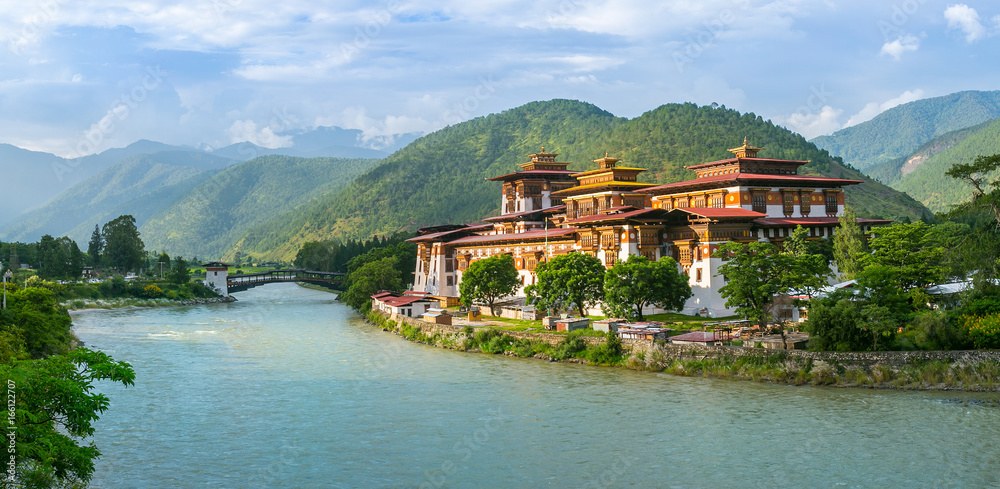
Punakha is famous for its magnificent Punakha Dzong, located at the meeting point of the Pho Chhu and Mo Chhu rivers.
The region has a warmer climate and fertile agricultural valleys. The beautiful scenery and historic architecture make Punakha one of the most important stops on a Bhutan cultural tour.
22. Tiger's Nest Monastery
Paro Taktsang, commonly called Tiger's Nest Monastery, is Bhutan's most famous landmark.
The monastery is dramatically built on a cliff above the Paro Valley. Reaching it requires a rewarding uphill hike through pine forests and mountain scenery.
For many visitors, hiking to Tiger's Nest is the highlight of their Bhutan trip. Bhutan's tourism authority describes the hike as an essential experience, with the trail offering impressive views of the monastery and surrounding landscape.
23. Dochula Pass
Located between Thimphu and Punakha, Dochula Pass is a spectacular Himalayan viewpoint.
On clear days, travelers can enjoy panoramic views of snow-covered Himalayan peaks. The pass is also known for its collection of 108 Druk Wangyal chortens.
24. Phobjikha Valley
Phobjikha is a peaceful glacial valley famous for its natural beauty and black-necked cranes.
Visitors can explore Gangtey Monastery, walk through traditional villages, and enjoy the valley's spectacular scenery.
25. Bumthang
Bumthang is one of Bhutan's most culturally significant regions. It contains numerous ancient temples and monasteries and is often regarded as the spiritual heartland of Bhutan.
Bumthang is ideal for travelers interested in:
- Buddhism
- Ancient temples
- Rural communities
- Traditional culture
- Hiking
- Photography
26. Bhutanese Food
Bhutanese cuisine is famous for its bold flavors and generous use of chili.
Popular dishes include:
- Ema Datshi – chili and cheese
- Phaksha Paa – pork with red chilies
- Jasha Maru – spicy chicken
- Momos – dumplings
- Red rice
- Suja – butter tea
Trying local food is an essential part of experiencing Bhutanese culture.
27. Trekking in Bhutan
Bhutan offers spectacular Himalayan trekking routes ranging from relatively short cultural hikes to demanding high-altitude expeditions.
Popular trekking experiences include:
- Druk Path Trek
- Jomolhari Trek
- Snowman Trek
- Dagala Thousand Lakes Trek
- Trans Bhutan Trail
The country's combination of high mountains, forests, monasteries, villages, and pristine wilderness makes trekking in Bhutan particularly rewarding.
28. Festivals in Bhutan
Bhutanese festivals, known as Tsechus, are among the country's most colorful cultural experiences.
Festivals feature:
- Traditional masked dances
- Religious ceremonies
- Music
- Traditional clothing
- Local food
- Community gatherings
Festival dates vary by location and year, so travelers should check the current official calendar when planning their itinerary.
29. Wildlife and Nature
Bhutan is renowned for its exceptional biodiversity and extensive forest cover.
Wildlife may include:
- Snow leopard
- Bengal tiger
- Red panda
- Himalayan black bear
- Takin
- Golden langur
- Black-necked crane
- Himalayan birds
The country's commitment to conservation is a major part of its tourism identity. Bhutan's official tourism platform states that more than 70% of its territory is forested.
30. Accommodation
Bhutan offers accommodation ranging from luxury hotels and boutique properties to traditional guesthouses and homestays. Official tourism guidance notes that accommodation and campsites used by visitors are required to meet Bhutan's tourism standards.
Unique Sherpa Trek & Expedition Pvt. Ltd. can help select accommodation according to your preferred comfort level, itinerary, and budget.
31. Transportation
The most convenient way to explore Bhutan is generally by road with a vehicle and driver arranged through a tourism service provider. Bhutan's mountainous terrain makes road travel an important part of the travel experience. Domestic flights are also available between selected regions.
Travelers should allow extra time for mountain roads, weather conditions, and occasional delays.
32. Bhutan Travel Tips
Before traveling to Bhutan:
- Check current visa and entry requirements.
- Confirm the applicable Sustainable Development Fee.
- Book through an authorized tourism service provider where required.
- Carry travel insurance.
- Respect Buddhist customs.
- Dress modestly when visiting temples.
- Ask before photographing people.
- Carry some local currency.
- Bring layers for changing temperatures.
- Follow your guide's advice on mountain trails.
- Avoid littering and respect Bhutan's natural environment.
33. What to Pack for Bhutan
Your packing list depends on the season and itinerary, but useful items include:
- Comfortable walking shoes
- Light and warm layers
- Waterproof jacket
- Fleece or down jacket
- Sunglasses
- Sunscreen
- Hat
- Gloves
- Reusable water bottle
- Personal medication
- Camera
- Power bank
- Small daypack
- Passport and travel documents
For trekking, additional technical clothing and equipment may be required.
34. Frequently Asked Questions
Is Bhutan good for tourists?
Yes. Bhutan offers exceptional cultural, natural, spiritual, and adventure experiences. The official tourism authority describes Bhutan as a year-round destination with diverse landscapes, traditions, and activities.
What is the best time to visit Bhutan?
Spring and autumn are particularly popular for comfortable weather, mountain views, cultural sightseeing, and trekking. However, Bhutan can be visited throughout the year.
How do I get to Bhutan from Nepal?
The most convenient option is generally a flight from Kathmandu to Paro, subject to current airline schedules.
What is Bhutan famous for?
Bhutan is famous for Himalayan scenery, Buddhist culture, Tiger's Nest Monastery, traditional architecture, colorful festivals, trekking, wildlife, and its strong emphasis on environmental and cultural preservation.
What currency is used in Bhutan?
The official currency is the Bhutanese Ngultrum (BTN).
What language is spoken in Bhutan?
Dzongkha is the national language, while many other languages are spoken across the country. English is widely used in education and tourism.
35. Why Travel with Unique Sherpa Trek & Expedition Pvt. Ltd.?
Unique Sherpa Trek & Expedition Pvt. Ltd. is dedicated to creating memorable Himalayan journeys that combine professional organization with authentic cultural experiences. Our team can design Bhutan travel programs for individuals, couples, families, private groups, and adventure travelers who want to explore the kingdom at their own pace.
From Paro and Thimphu to Punakha, Phobjikha, Bumthang, and Bhutan's Himalayan trekking regions, we can help organize a comprehensive itinerary around your interests. Our approach focuses on careful planning, reliable transportation, comfortable accommodation, experienced guides, cultural respect, and responsible tourism.
For travelers combining Nepal and Bhutan, we can also create a customized Nepal Bhutan Tour Package, allowing you to experience the Himalayas, ancient temples, Buddhist heritage, wildlife, and mountain landscapes of two remarkable Himalayan countries in one journey.
Whether your dream is to hike to Tiger's Nest, explore ancient dzongs, witness a traditional Bhutanese festival, discover Himalayan wildlife, or simply enjoy the peaceful atmosphere of Bhutan's valleys, Unique Sherpa Trek & Expedition Pvt. Ltd. is ready to help make your journey special.
Plan your Bhutan adventure with Unique Sherpa Trek & Expedition Pvt. Ltd. and discover the Land of the Thunder Dragon through culture, nature, spirituality, and Himalayan adventure.